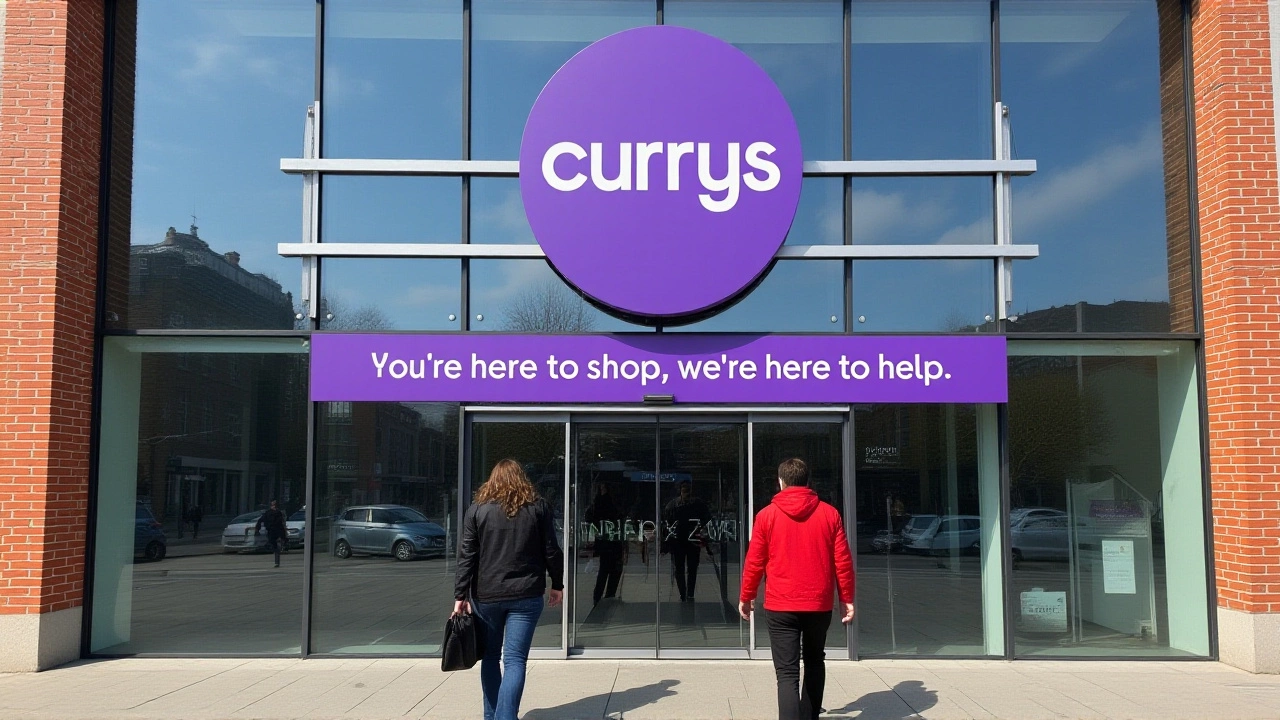
When British Retail Consortium released a letter signed by more than sixty top UK retailers on August 22, 2025, it wasn’t just another industry plea—it was a last call before the axe falls. The message was clear: if the government raises taxes again, shoppers will pay more, stores will shutter, and jobs will vanish. The signatories? Powerhouses like Currys PLC, Tesco, Sainsbury’s, Aldi, and John Lewis Partnership. Their collective annual turnover exceeds £300 billion. They employ nearly 2.8 million people across 150,000 stores. And they’re scared.
£7 Billion in New Costs, No Room to Absorb
The letter, penned by BRC Director General Helen Dickinson and endorsed by CEOs including Alex Baldock of Currys and Sean Clarke of Asda, laid out a brutal math problem: government policy has added £7 billion in new costs to the retail sector since early 2025. Where? Three places: employer National Insurance hikes, the abolition of the Employee National Insurance Primary Threshold in April 2025, and the expanded Plastic Packaging Tax, first introduced in 2022 and widened again last year. Retailers have spent the last two years eating these costs—cutting margins, delaying upgrades, freezing hiring. Now? They’re tapped out.
“We’ve done everything we can to shield our customers,” the letter read. “But as these pressures persist, it’s becoming more and more challenging to absorb them.”
Sales Are Slowing—And It’s Not Just Inflation
Here’s the twist: it’s not just costs rising. Demand is falling. BRC data released August 12, 2025, showed UK retail sales grew just 2.5% in July compared to July 2024—down from 3.1% in June, and well below the 3.6% inflation rate. That gap isn’t accidental. Barclays’ spending data revealed shoppers are trading down: clothing sales jumped 4.2% (thanks to summer heat), and pharmacy spending surged 9.8%—the so-called “lipstick effect,” where people buy small luxuries when budgets tighten. But big-ticket items? Collapsing. Department store spending plunged 7.4%. Electronics—Currys’ bread and butter—fell 4.3% year-on-year.
“People aren’t buying TVs or washing machines,” said one regional manager in Manchester, speaking anonymously. “They’re buying the basics—and then they’re counting change.”
The £25 Billion Elephant in the Room
The root of this crisis? Chancellor Rachel Reeves’s July 2025 fiscal statement, which included a £25 billion raid on employers’ National Insurance Contributions. Labour’s 2024 manifesto promised “good jobs and higher living standards.” But the retailers’ letter bluntly warned: “If future policy decisions lead to rising prices and fewer jobs, then those commitments are at risk.”
It’s not just rhetoric. The British Retail Consortium cited The Telegraph’s August 12 report that Reeves had been privately warned not to impose further tax hikes—retailers simply can’t sell enough to cover their costs. The message from the industry? We’re not asking for handouts. We’re asking you not to break us.
High Streets on the Brink
The consequences aren’t theoretical. The BRC’s warning came just days after The Times reported over 100 supermarkets could shut down if business taxes rise further. Vacancy rates in key high streets are already alarming: Greater Manchester, Birmingham, Glasgow, and Cardiff all clocked over 15% empty storefronts in Q2 2025, according to the Local Data Company. These aren’t just empty units—they’re eroded communities. A closed pharmacy in a town center means longer drives for elderly residents. A shuttered electronics store means no local repair techs, no warranty support, no place to test a new fridge before buying.
“It’s not about profit anymore,” said Sharon McCollum, CEO of John Lewis, in a behind-the-scenes briefing. “It’s about survival. And if we fall, the whole local economy falls with us.”

What Happens Next?
The Autumn Budget, scheduled for October 30, 2025, is the deadline. Retailers aren’t just lobbying—they’re preparing contingency plans. Some are accelerating store closures in low-performing areas. Others are pushing suppliers for deeper discounts. A few are quietly testing automated checkout systems to reduce labor costs. But none of these are long-term fixes.
The government has two choices: intervene before October 30 with targeted tax relief—perhaps a temporary freeze on the packaging tax or reinstating the NI threshold—or risk triggering a wave of closures that could cost tens of thousands of jobs and leave entire neighborhoods without essential services. The clock is ticking.
Frequently Asked Questions
How are rising employment costs affecting retail workers?
The April 2025 National Living Wage increase to £11.44/hour and the removal of the Employee National Insurance Primary Threshold have raised labor costs by an estimated £3.2 billion across the sector. While workers earn more, many retailers are responding by reducing hours, cutting part-time roles, or delaying hiring—especially in regions with high vacancy rates. Over 120,000 part-time retail positions could be at risk if tax hikes proceed.
Why are electronics sales falling while pharmacy sales rise?
Consumers are prioritizing essentials and small indulgences over big-ticket items. Pharmacy and beauty spending surged 9.8% as people maintain health routines and buy affordable luxuries like lip balm or skincare. Meanwhile, electronics and appliances—expensive, non-urgent purchases—are being deferred. Currys reported a 17% drop in TV and appliance financing applications in July compared to the same month last year.
What’s the impact of the Plastic Packaging Tax on everyday products?
The tax, expanded in April 2024, now applies to all plastic packaging containing less than 30% recycled content. This has raised costs for grocery chains like Sainsbury’s and Aldi, who’ve passed some of the burden to suppliers. A standard 1kg bag of rice now costs 8p more due to packaging changes. Retailers say it’s pushed up prices across 40% of packaged goods, contributing to inflation without meaningful environmental gains—since most plastic waste comes from non-retail sources.
Could tax relief actually help retail sales rebound?
Yes—according to Barclays’ economic modeling, a £1.5 billion tax relief package for retailers could boost consumer spending by up to 1.8% by early 2026. That’s because lower prices would restore purchasing power. For every £1 saved on business taxes, retailers estimate £1.30 in additional consumer spending could be unlocked—especially on electronics, furniture, and home goods, which have seen the steepest declines.
What’s the historical precedent for retail tax hikes?
In 2011, the UK’s business rates increase led to the closure of over 2,000 small shops in three years. A 2019 study by the Centre for Retail Research found that every 1% rise in business taxes correlated with a 0.7% drop in footfall. The current situation is worse: inflation is higher, wages are rising faster, and consumer confidence is lower. Retailers say this isn’t just another policy tweak—it’s a potential systemic shock.
Are any retailers planning to relocate or downsize?
Several chains, including Currys and Boots, are accelerating their shift to smaller, urban-format stores and online fulfillment hubs. Currys has paused expansion plans for 12 new outlets and is evaluating the closure of 18 underperforming stores in the North West. Iceland Foods is testing micro-warehouses in town centers to cut delivery costs. The trend isn’t just about taxes—it’s about survival in a market where foot traffic is declining and rent remains high.